


Thinking About Buying or Collecting a Pocket Watch?
Whether you're eyeing your first antique piece or evaluating a recent find, you’ve likely come across terms like “17 jewels,” “lever set,” or “16s.” But what do they really mean — and how do they affect a watch's quality and value?
In this guide, we’ll break down the fundamentals of pocket watch grading so you can shop, collect, and evaluate with confidence.
1. What Does “17 Jewels” Mean?
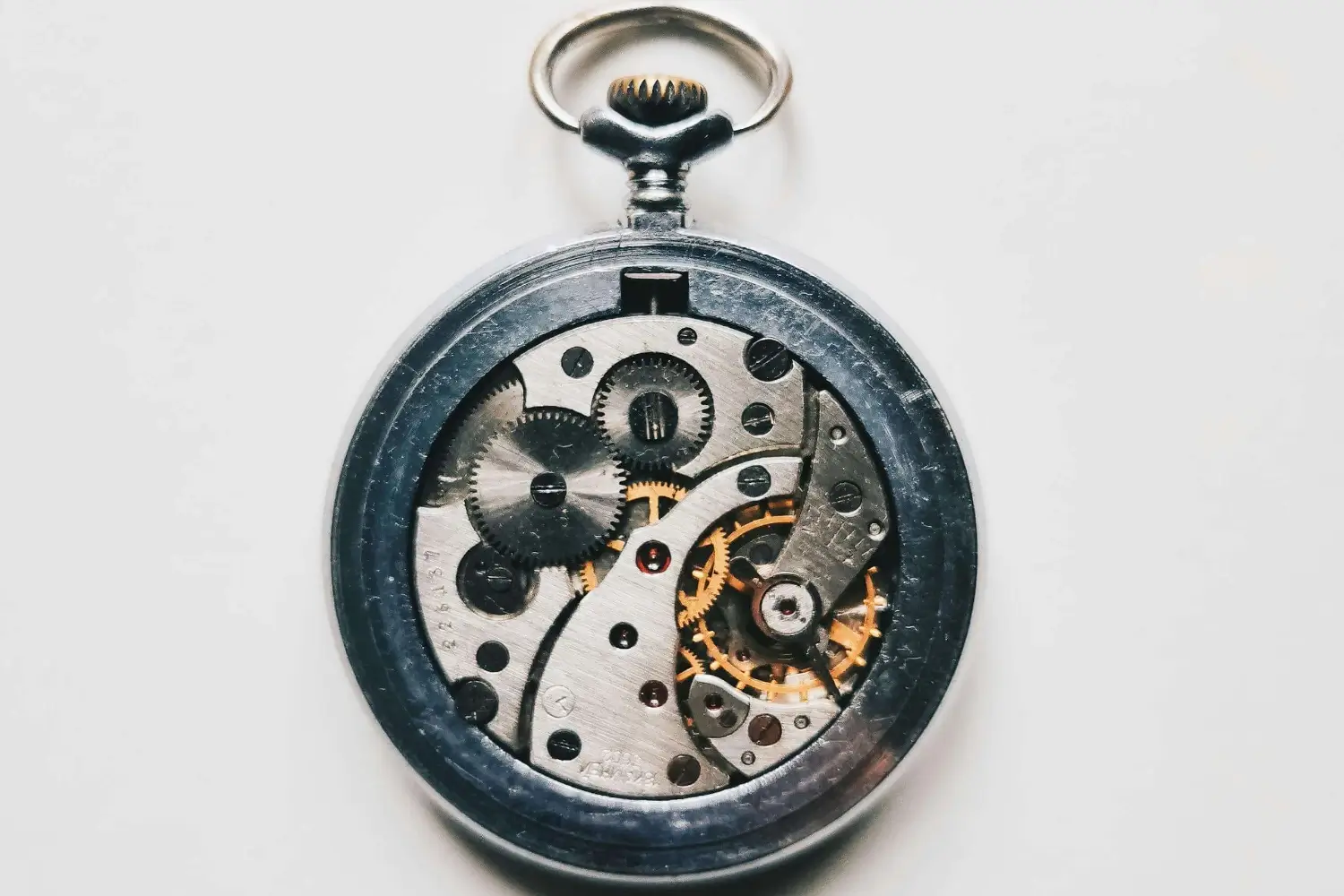
In watchmaking, jewels are small synthetic rubies set at pivot points inside the movement. Their job? Reduce friction and ensure smoother gear rotation. The more jewels, the more refined the movement — though there are limits.
Common Ranges:
-
7 jewels – Entry-level, basic timekeeping
-
11–15 jewels – Mid-grade, decent quality
-
17 jewels – Standard for quality vintage watches
-
19–23 jewels – High-end and railroad-grade timepieces
-
23+ jewels – Rare, experimental, or luxury mechanical marvels
More jewels = smoother motion + higher durability = greater value.
2. Pocket Watch Sizes (a.k.a. Movement Sizes)
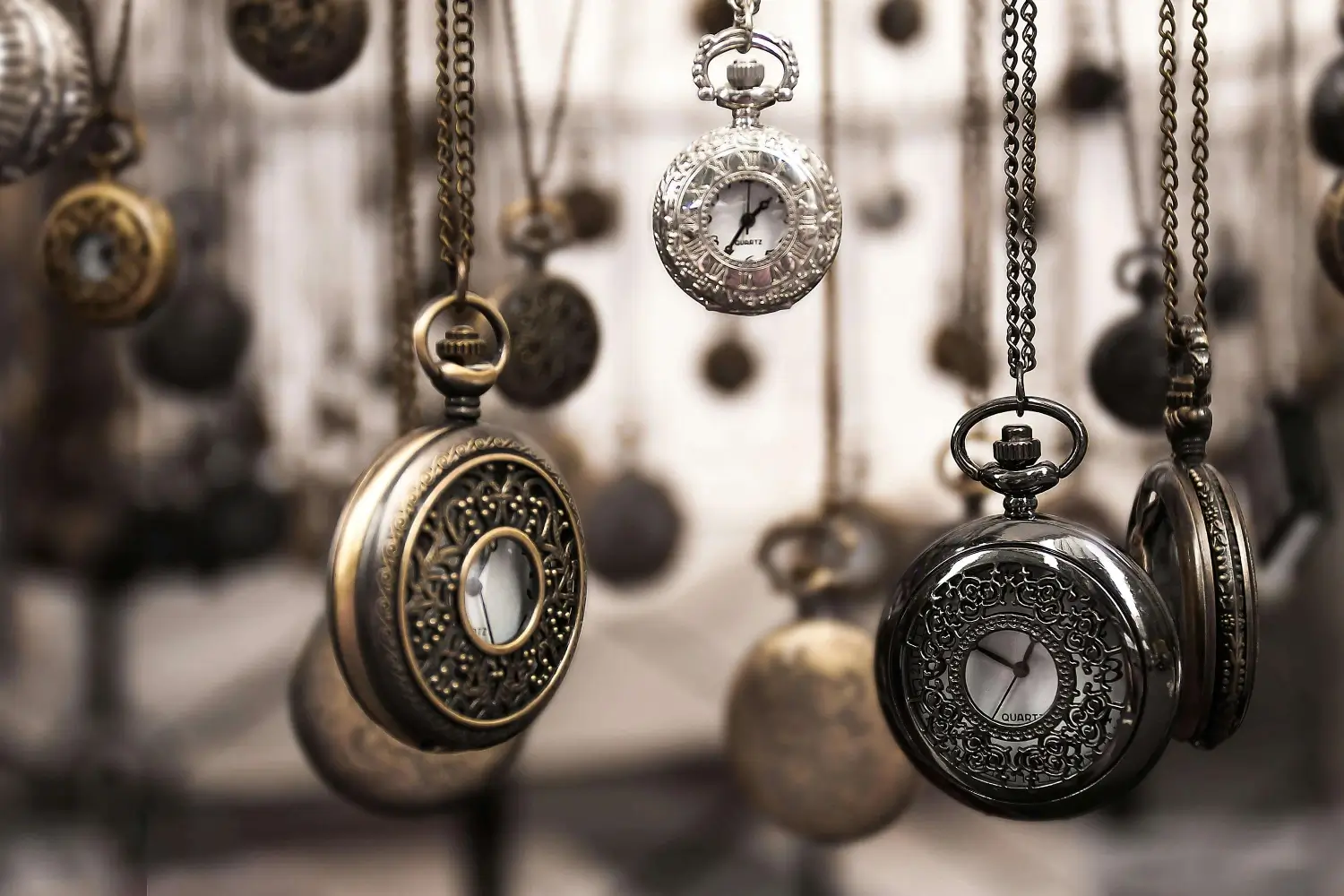
Watch size isn’t about the outer case — it's the movement diameter, measured in sizing units (s). Here’s how they break down:
| Size (s) | Description |
|---|---|
| 0s–6s | Small, often for women or dress watches |
| 12s | Slim dress size, common for men |
| 16s | Most popular railroad and collector size |
| 18s | Larger, older, and often tougher builds |
🧭16s and 18s are the most sought-after sizes for historical and railroad watches.
3. Types of Watch Movements & Setting Mechanisms
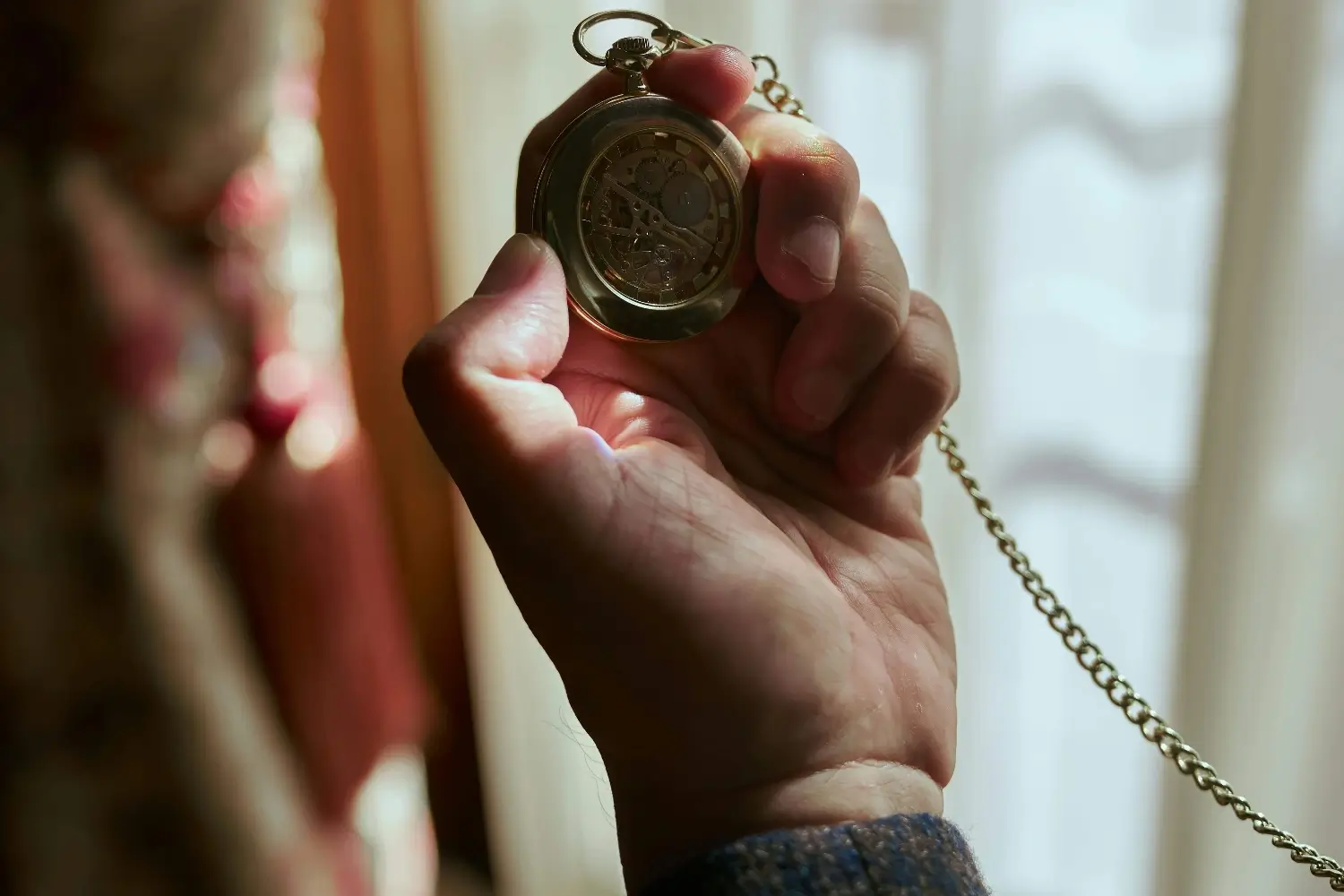
There’s more to a pocket watch than winding it — how it’s set and powered matters. Here's a quick breakdown:
Movement Types:
-
Key Wind / Key Set – Requires a separate key; found in early watches
-
Stem Wind / Pendant Set – Wind and set via the crown (user-friendly)
-
Lever Set – Pull a hidden lever to set time (used in railroad watches to prevent accidental resets)
🔧 Railroad regulations in the late 1800s required lever-set watches for reliability.
4. Adjustments & Finishing Quality
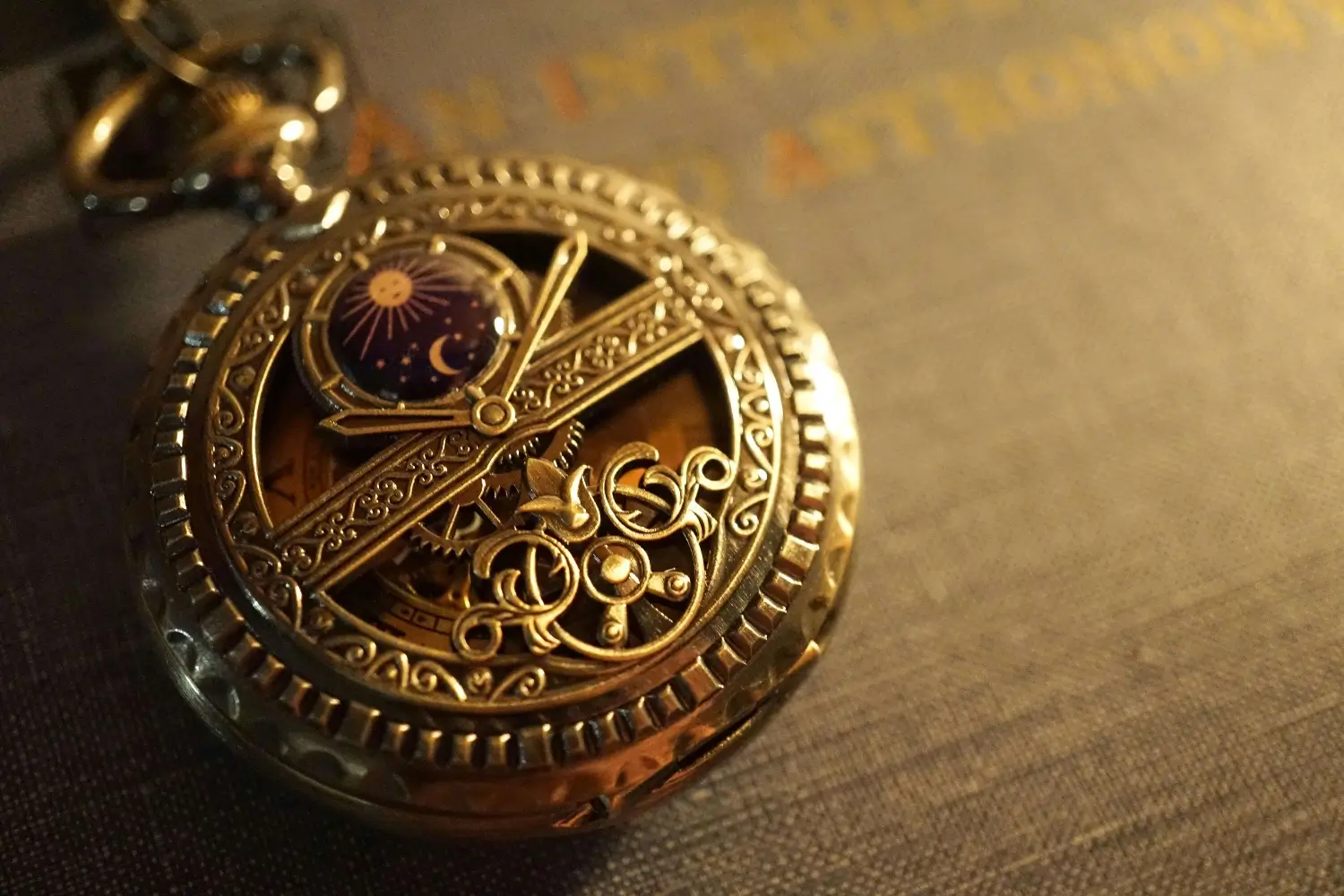
A high-end pocket watch isn’t just about mechanics — it's about how well it's adjusted and finished.
Look for:
-
“Adjusted to 3 or 5 positions” – means it keeps time across different orientations
-
Micrometer regulators – for fine-tuning accuracy
-
Damascening patterns – decorative engravings on movement plates
-
Gold or gilt plating – indicates craftsmanship and sometimes, rarity
Adjustments are like a watchmaker’s signature — a mark of care and precision.
5. Dial & Case Condition
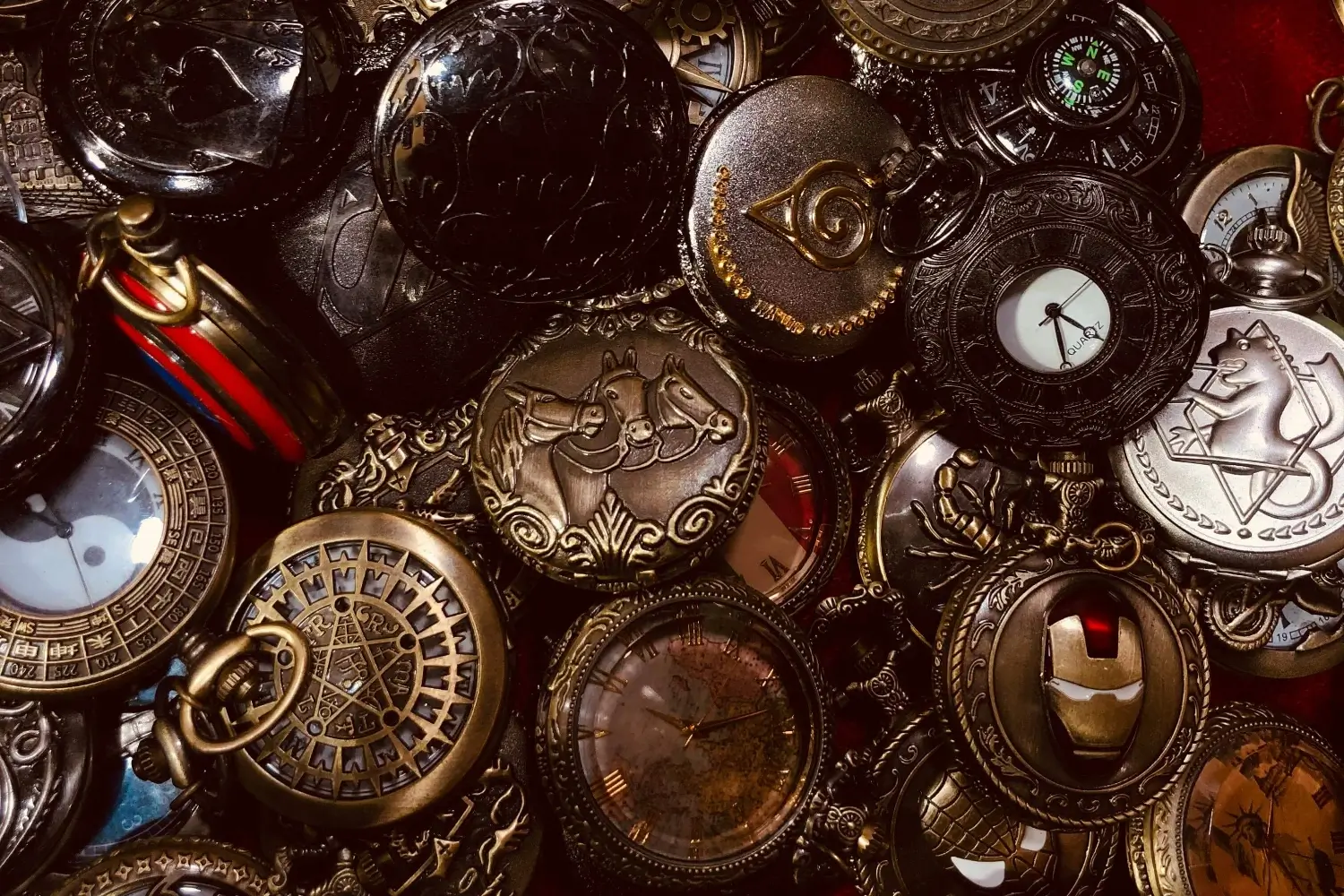
Even the most impressive movement loses appeal if the outside is damaged. Key things to check:
-
Cracks or chips in enamel dials
-
Repainted or refinished dials (lowers collector value)
-
Worn-through gold plating showing brass beneath
-
Original hands and crystal
-
Case material: Nickel, gold-filled, silver, or solid gold
Original condition and material both strongly impact collector value.
Final Thoughts: Grade Smarter, Collect Better
Understanding the grading basics of pocket watches lets you spot value, ask smarter questions, and avoid overpaying — whether you're buying for passion, style, or investment.
At Time-Fashion, we specialize in curating mechanical and vintage-inspired watches that celebrate time’s legacy.
Ready to start your collection? Explore our Pocket Watch Collection →